
Between November 2024 and April 2025 we co-developed a series of workshops with a group of seven young community mathematicians in Moss Side, Manchester.
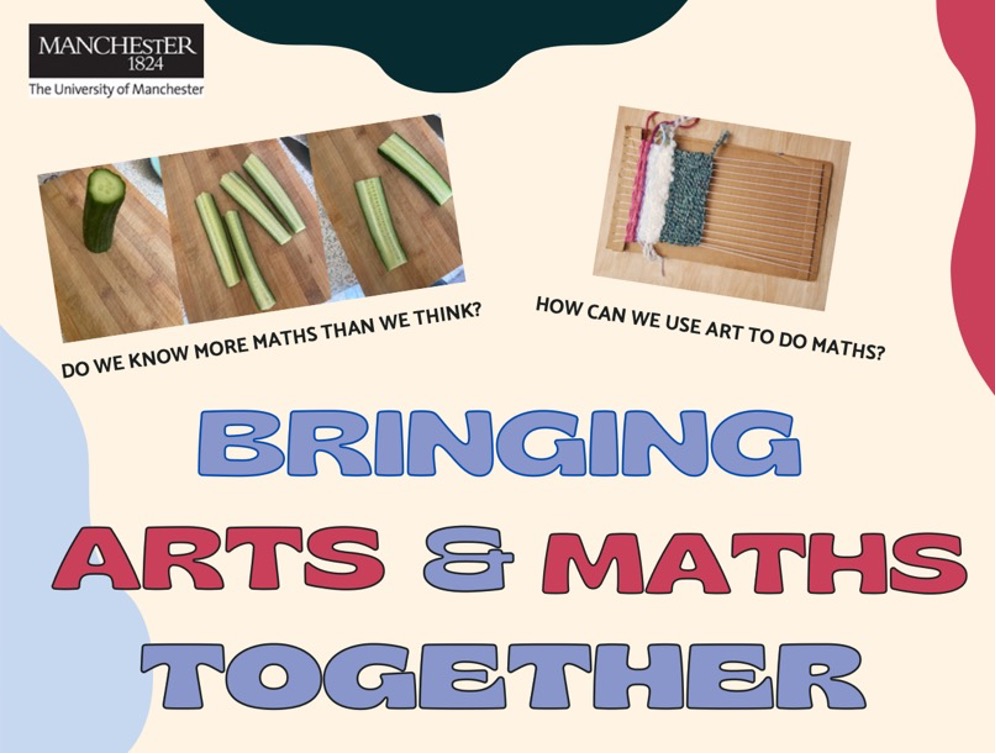
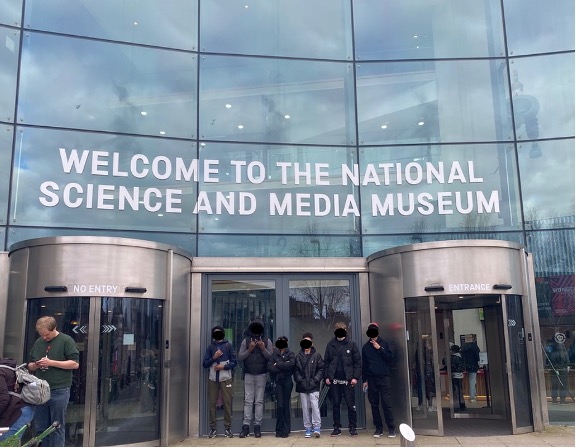
The Very Local Maths team, together with invited artists and mathematics students, co-designed a series of workshops to explore mathematics through creative, collective and interdisciplinary activities. The workshops were developed and facilitated with a group of seven young people aged 13-16 to explore mathematics . These sessions took place as six monthly two-hour sessions at the Moss Side Millennium Powerhouse in Manchester, alongside a field trip to the National Science and Media Museum in Bradford. These sessions are described below.
Workshop 1 – Lines and Shapes
with Leap Then Look
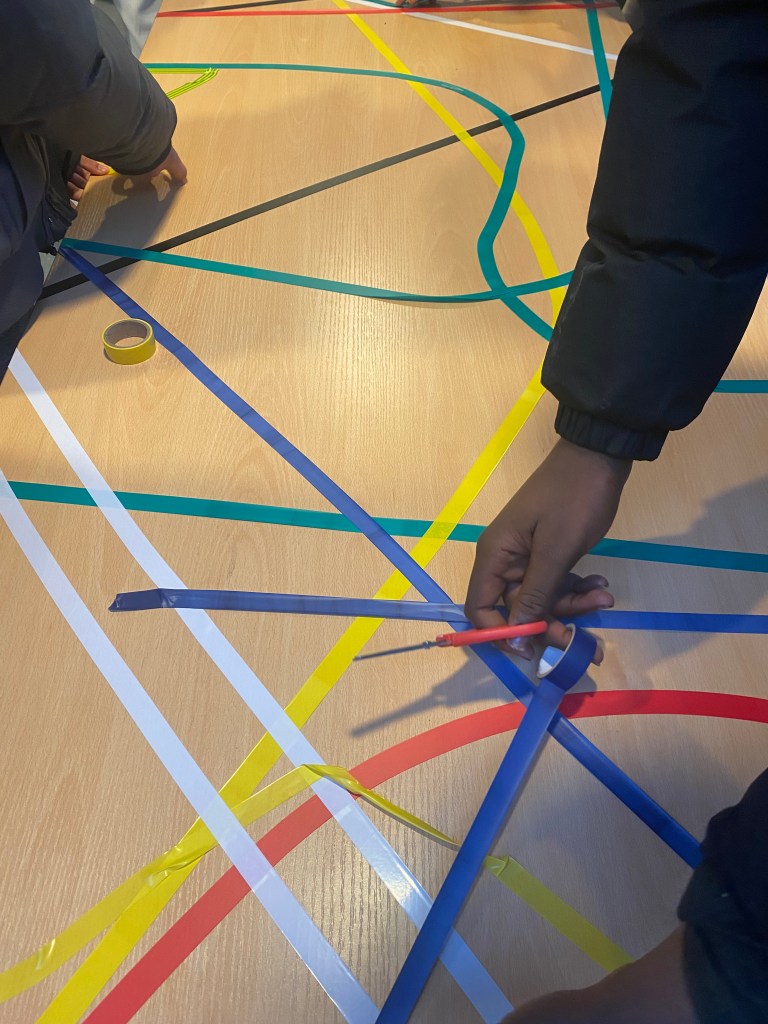
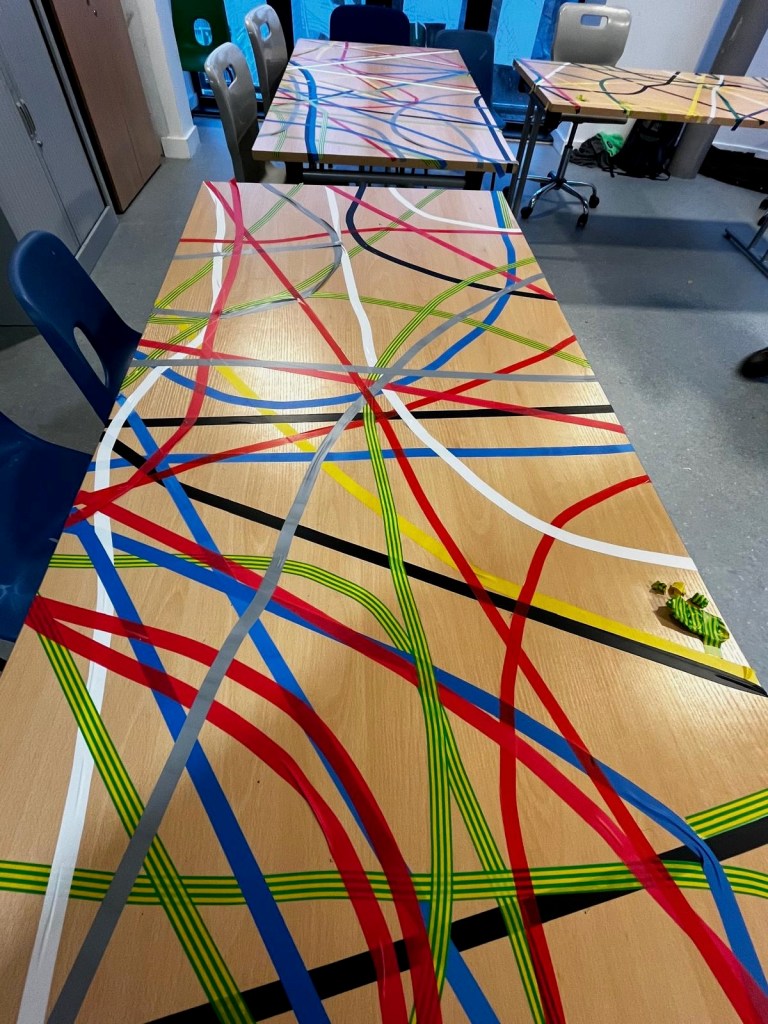
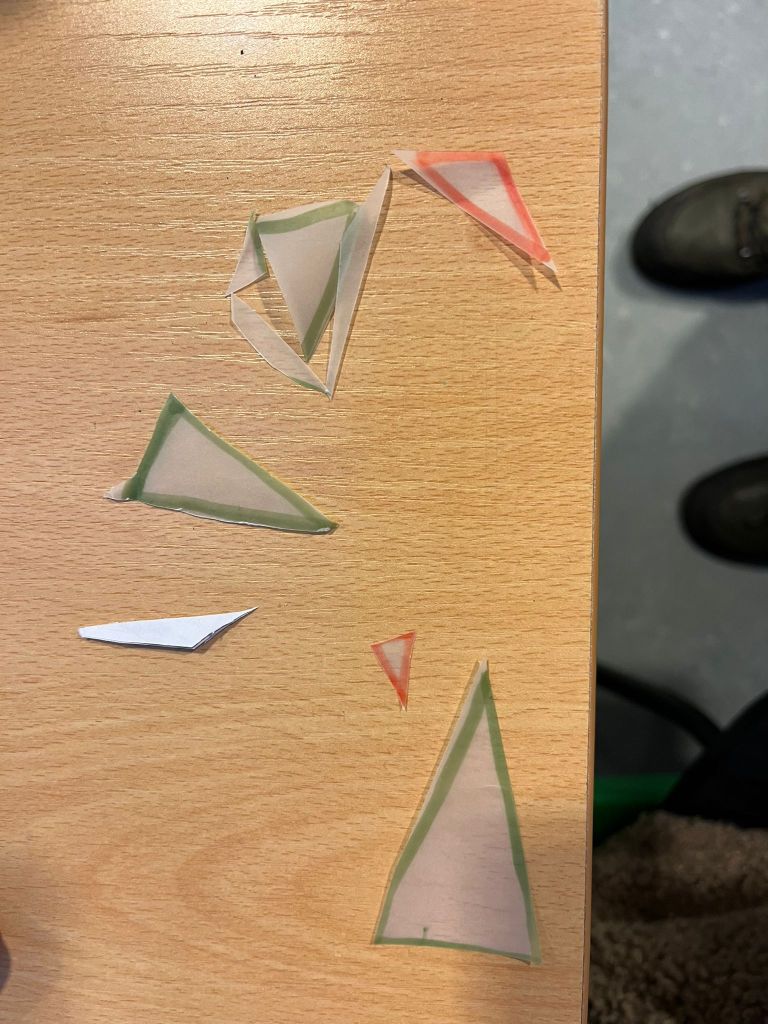
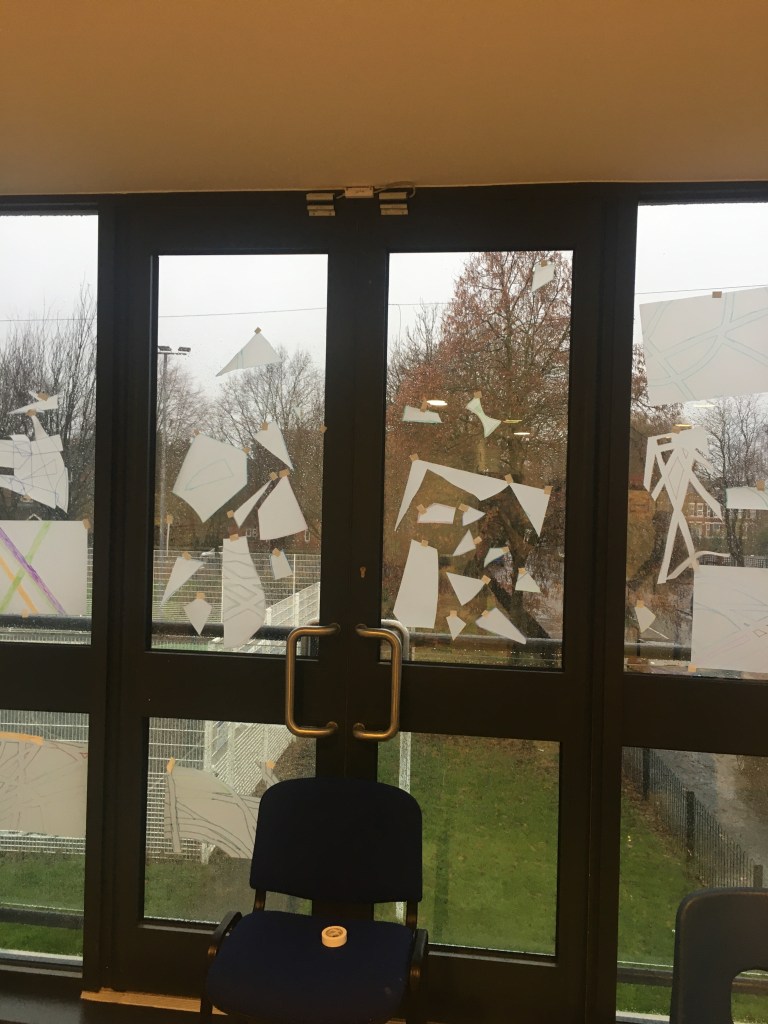
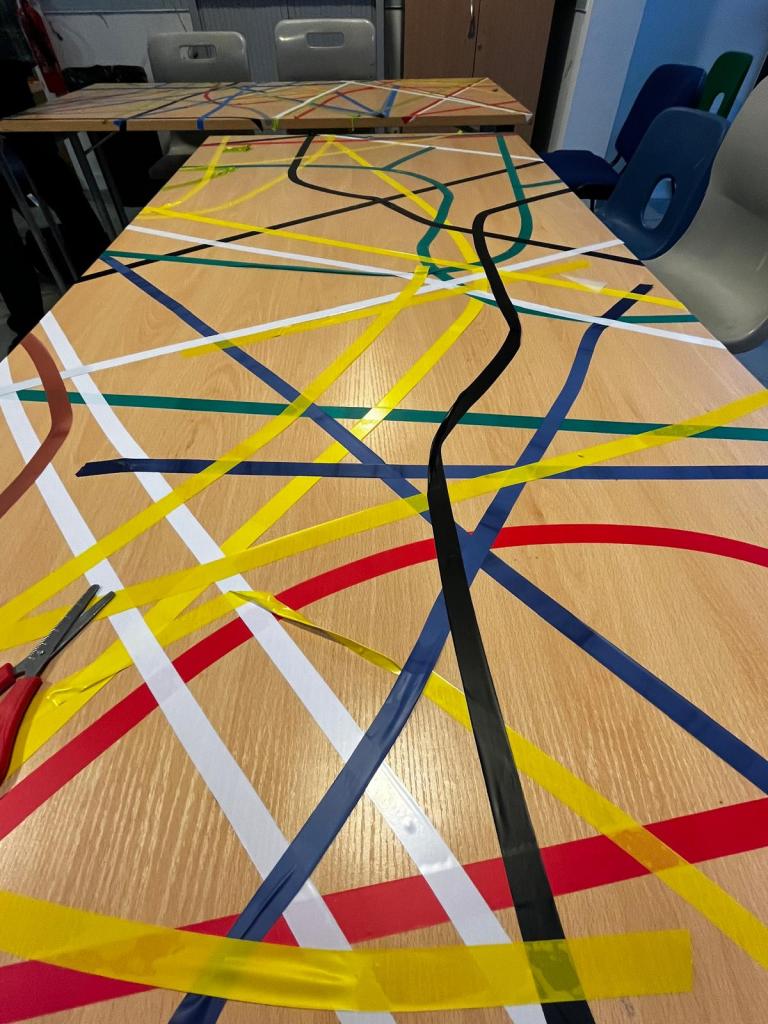
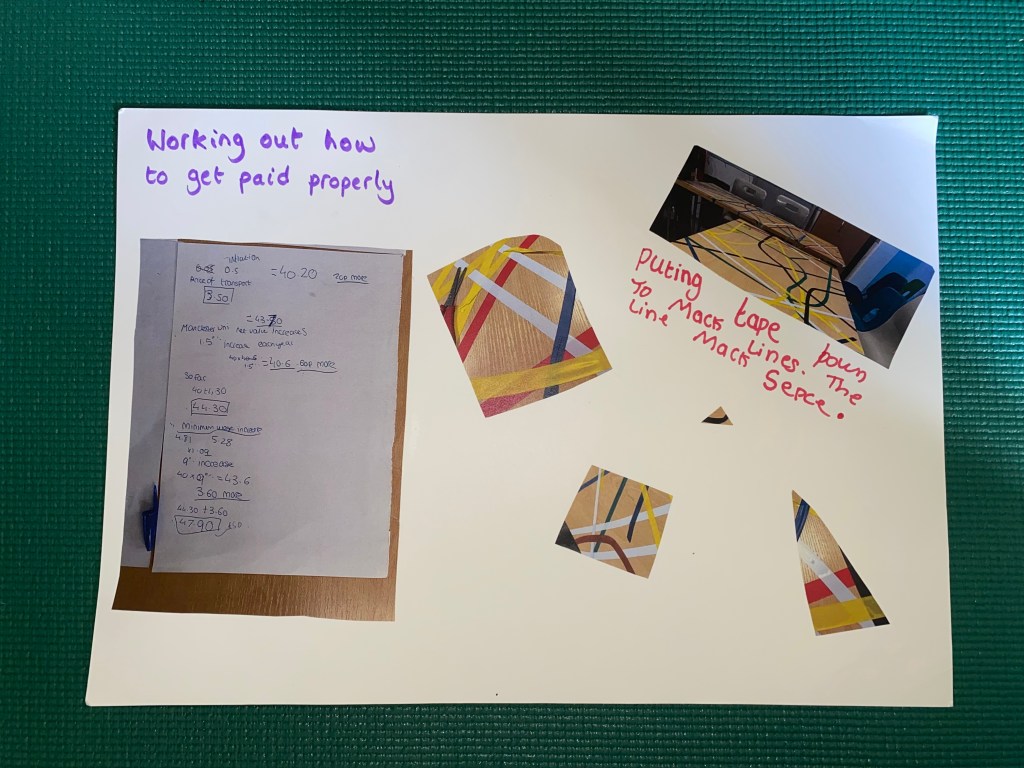
We explored geometric forms using coloured tape on large tables. We created intersecting lines, identified the shapes produced at their crossings, and experimented with reproducing and assembling them. The activity opened a conversation about how shapes emerge through gesture and relation, and how geometry can be experienced as something both playful and surprising.
Workshop 2 – Mathematics and Photography
with Simone Trumpet
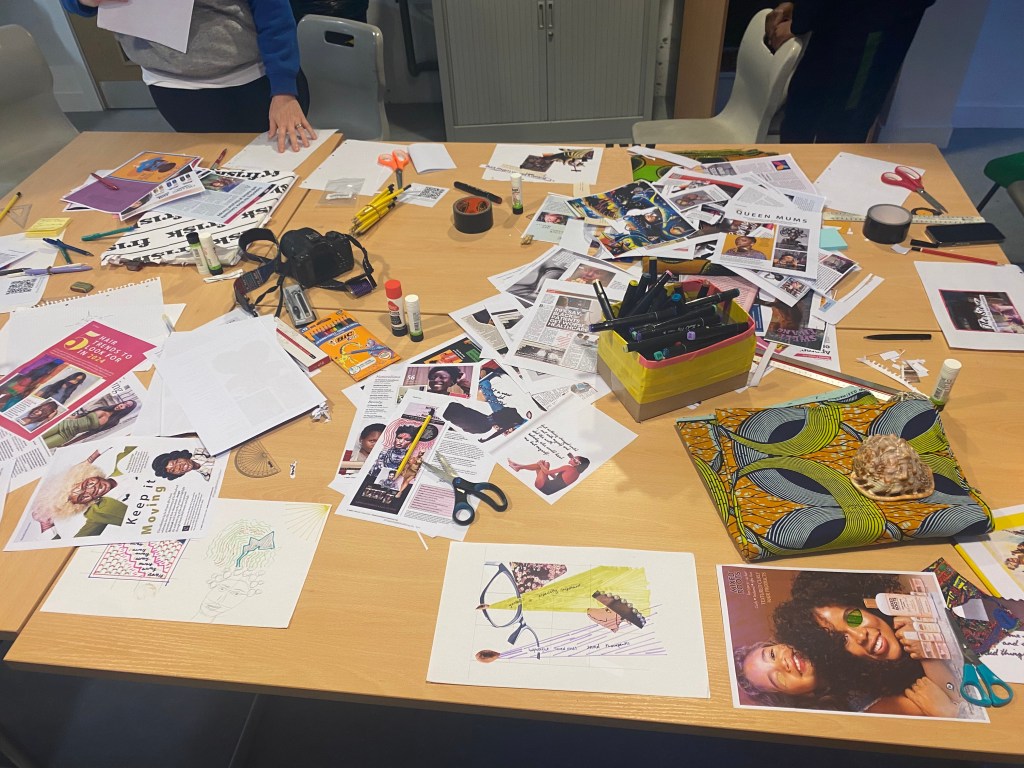
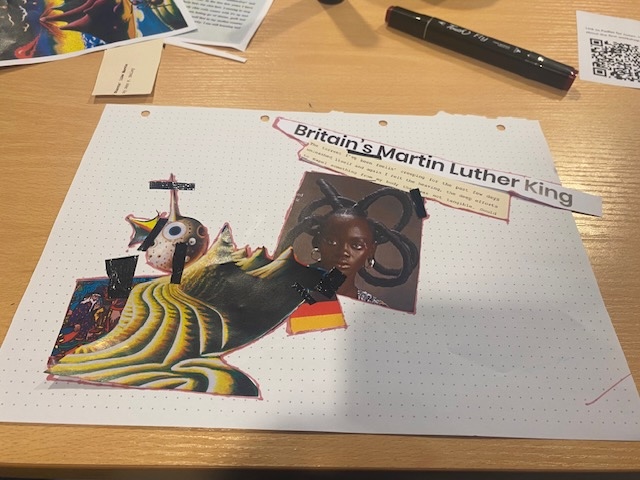
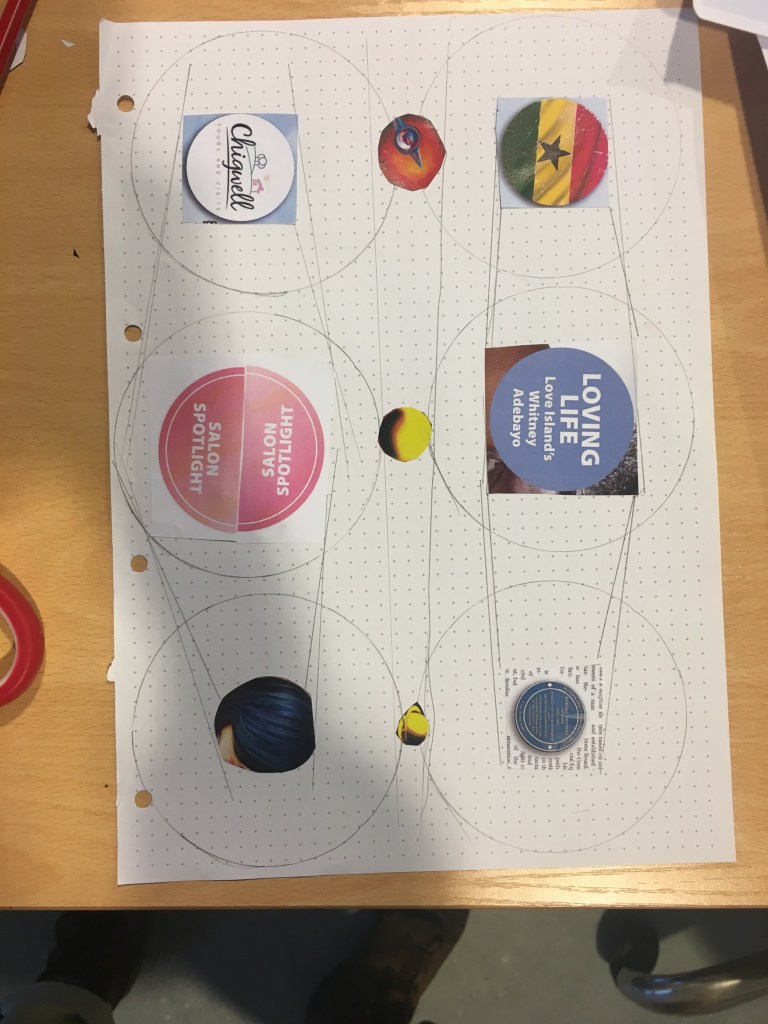
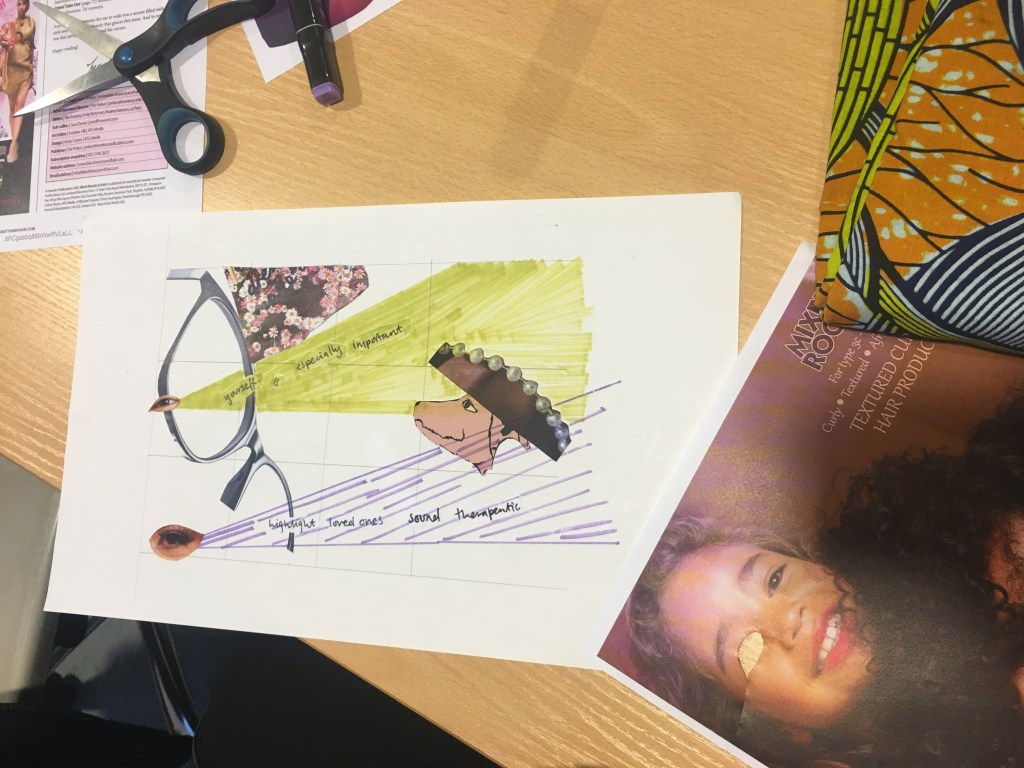
Simone Trumpet introduced some ways mathematical ideas enter her photographic practice and proposed a series of hands-on activities. We took photographs of things that evoked mathematics within the room and experimented with image composition through collage. We explored ideas like the rule of thirds, proportion, and visual balance. We discussed how these compositional choices can shape the ways we perceive pattern and structure in images.
Workshop 3 – Mathematics in our everyday lives
designed and facilitated by VLM team member Keisha Thomson
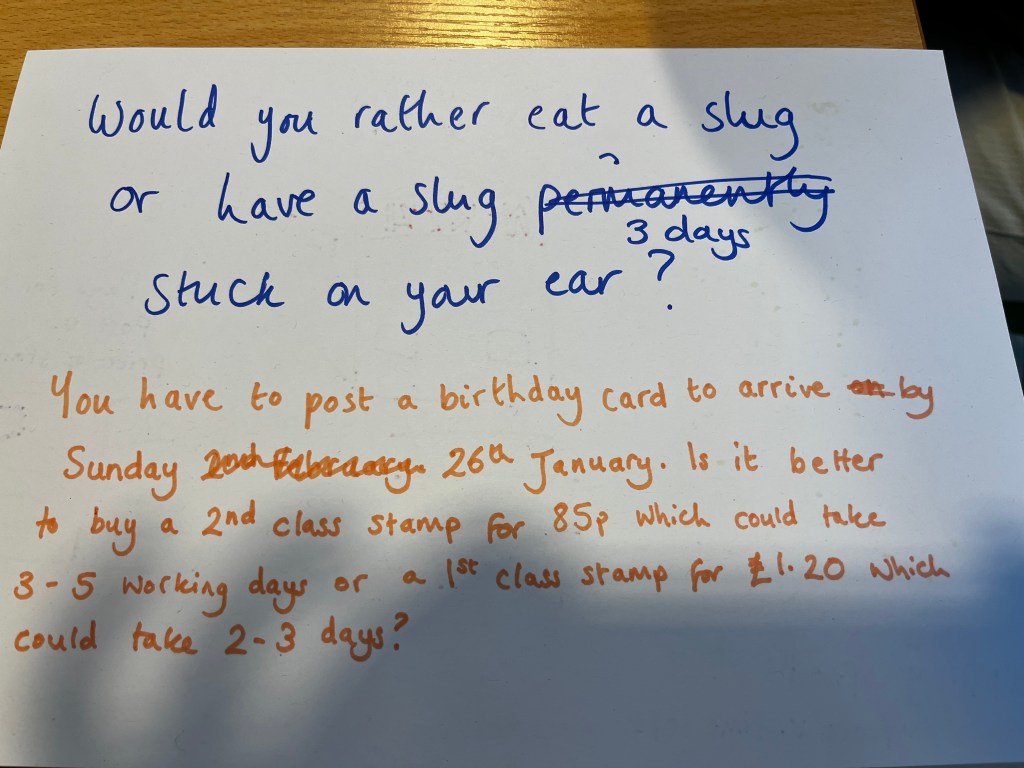
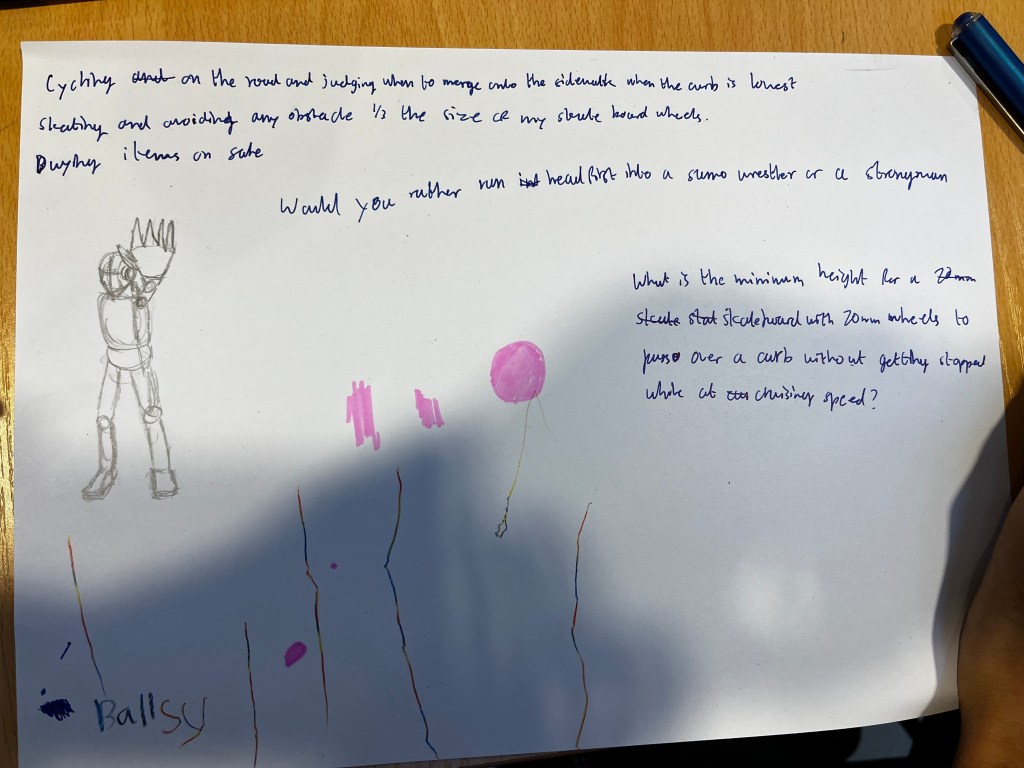
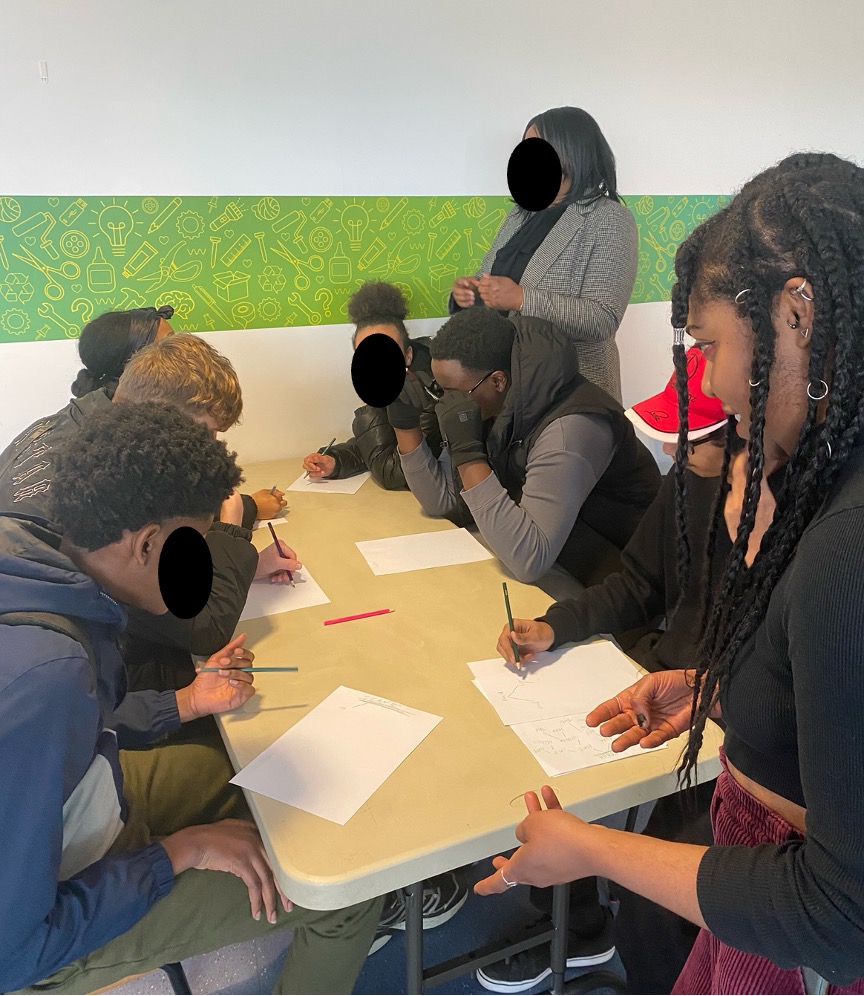
Together we explored the question of whether we do more mathematics than we think? We discussed how mathematical thinking appears in the everyday life of a young person outside the classroom in situations like folding bed sheets, listening to music, timing the journey to school, or planning purchases. These questions were explored through a series of creative tasks, including composing mathematics-themed “would you rather” scenarios and building a collective mathematical playlist.
You can listen to our collective playlist here
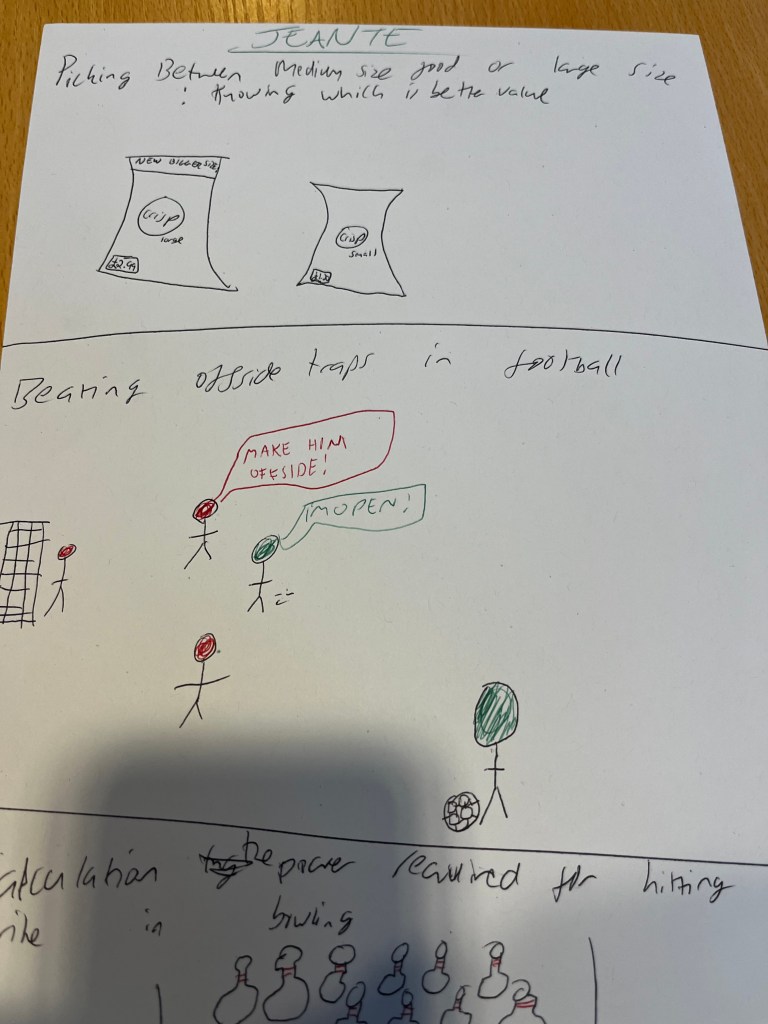
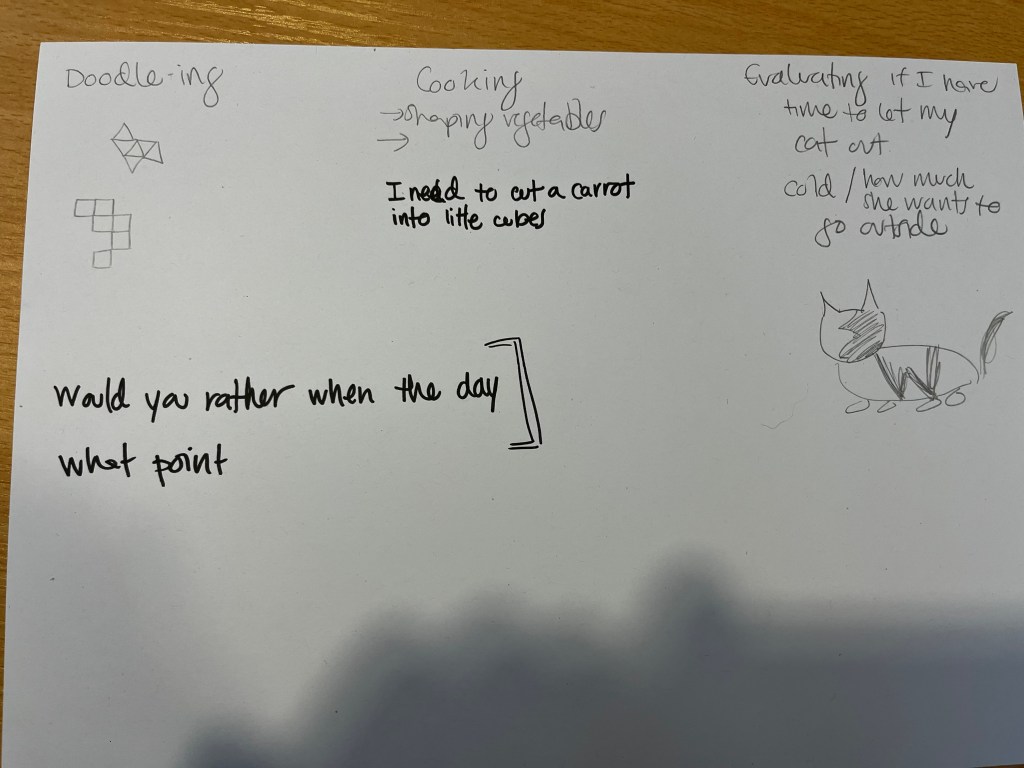
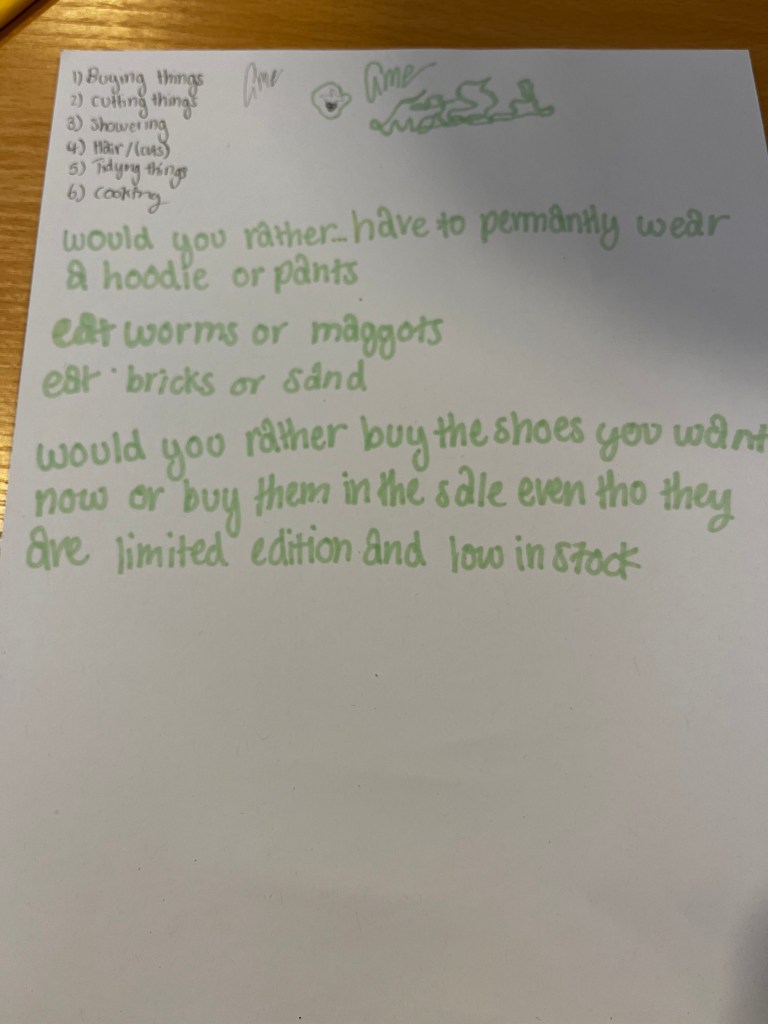
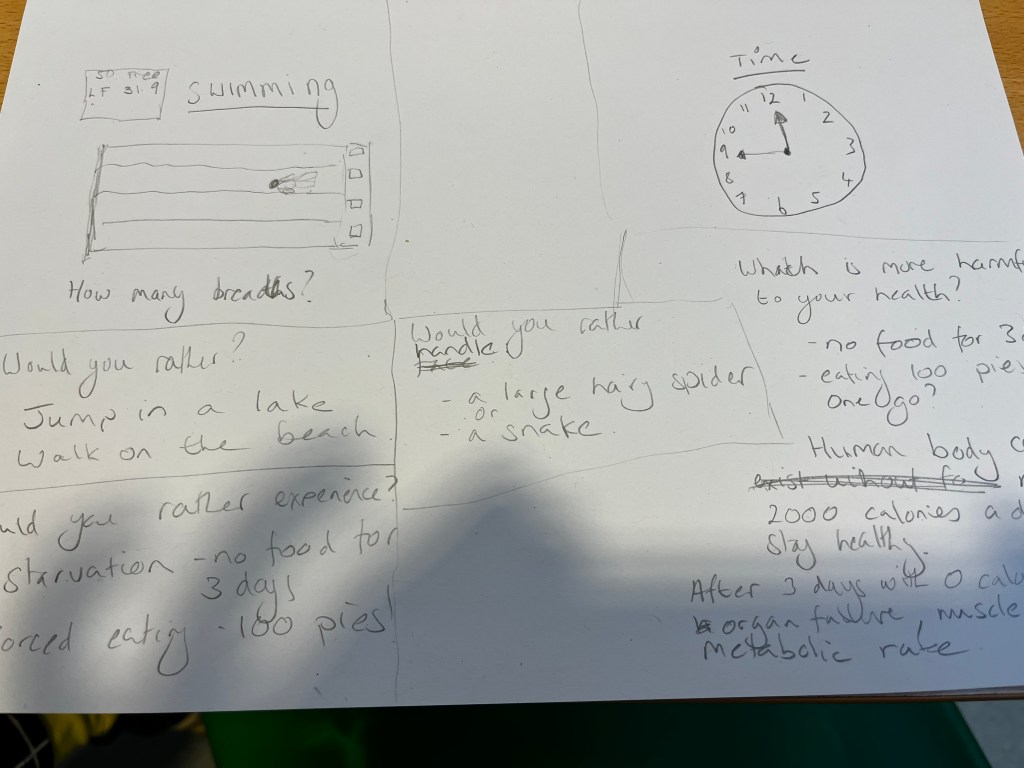
Workshop 4 – Money, Value and Labour
designed and facilitated by VLM team member Keisha Thomson
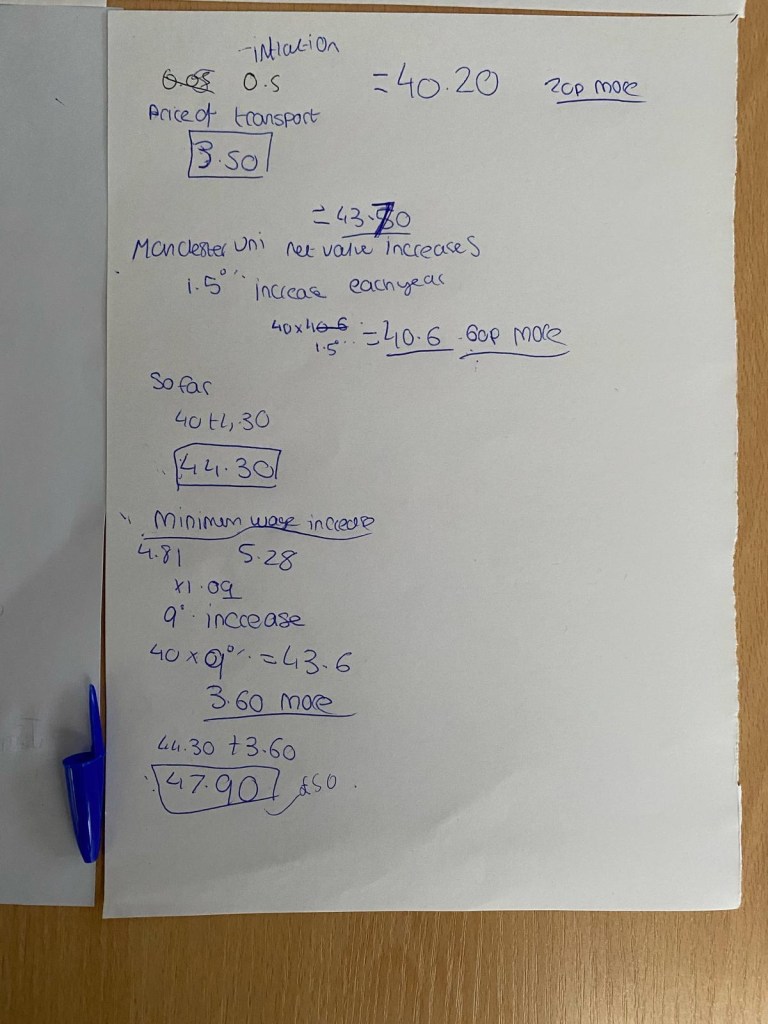
The session took the form of a collective exploration of value and labour. Together we worked through a practical exercise: if this project were to be repeated the following year, how much should they be paid to take part? The discussion brought in considerations like inflation, transport costs, the University of Manchester’s net value increase, and changes to the minimum wage. The activity opened a broader reflection on fairness, recognition, and the different ways in which mathematical reasoning is part of social negotiation.
Workshop 5 – Making Music and Tessellations
with University of Manchester mathematics students
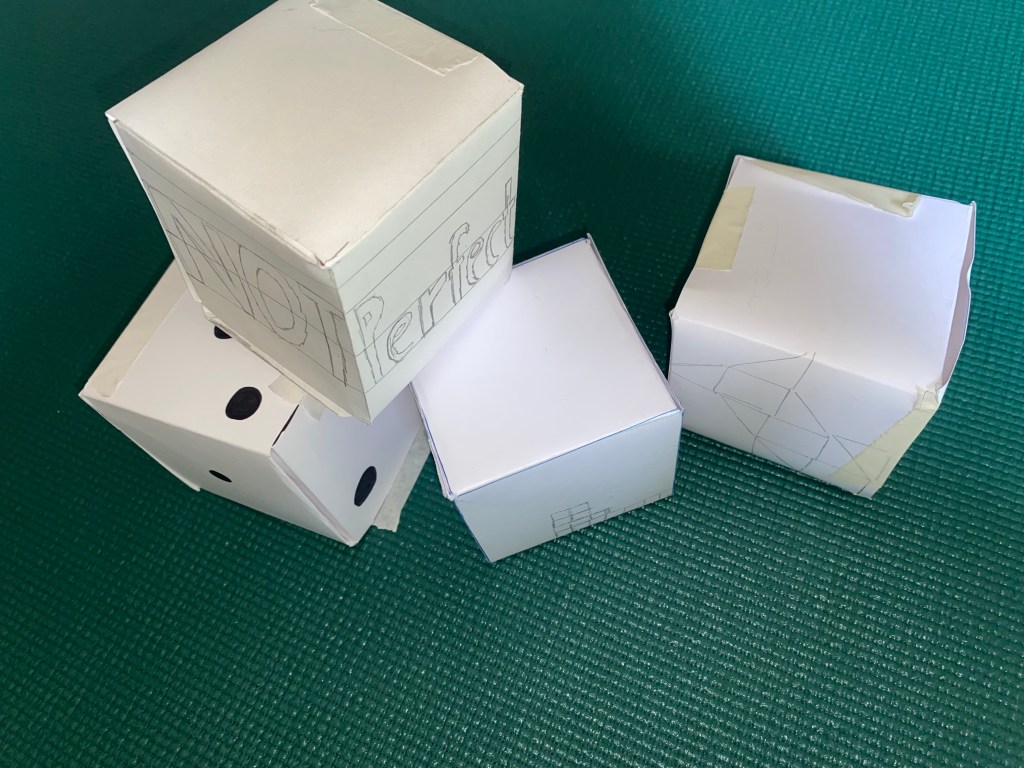
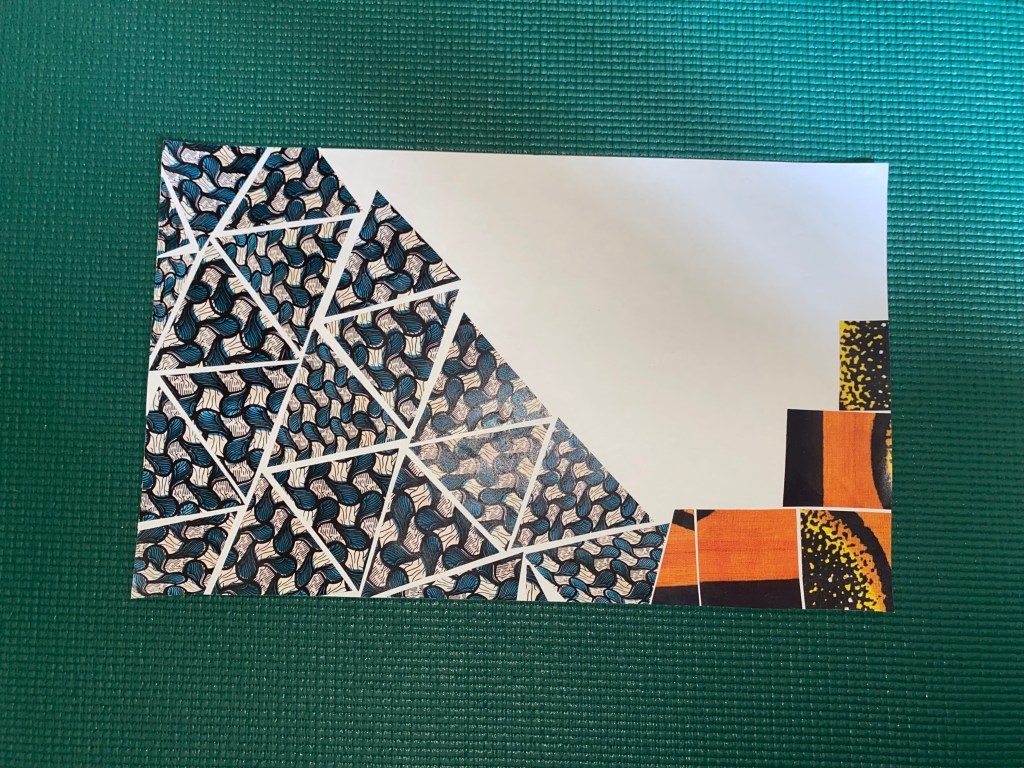
We investigated the idea of tessellation through the making of shapes that could cover a plane without gaps or overlaps, experimenting with pattern and repetition as creative forms of reasoning. We also explored different beats per minute (BPM) ratios and discussed how some combinations work harmoniously while others create dissonance.
Workshop 6 – Public Showcase
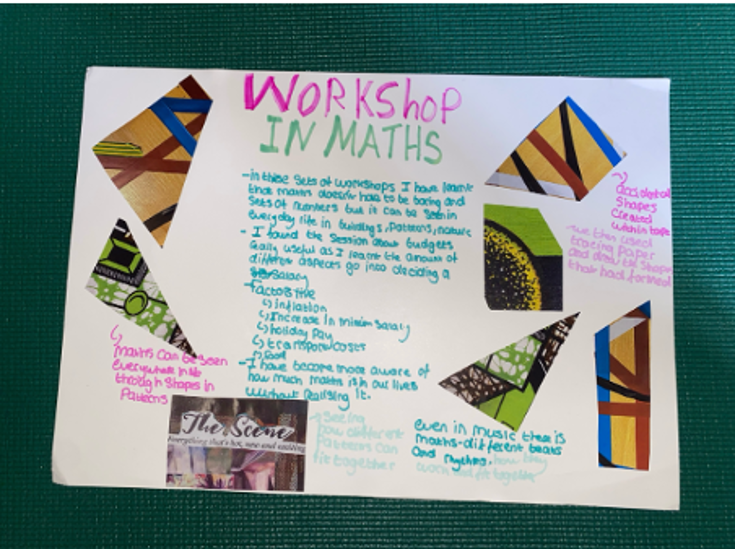
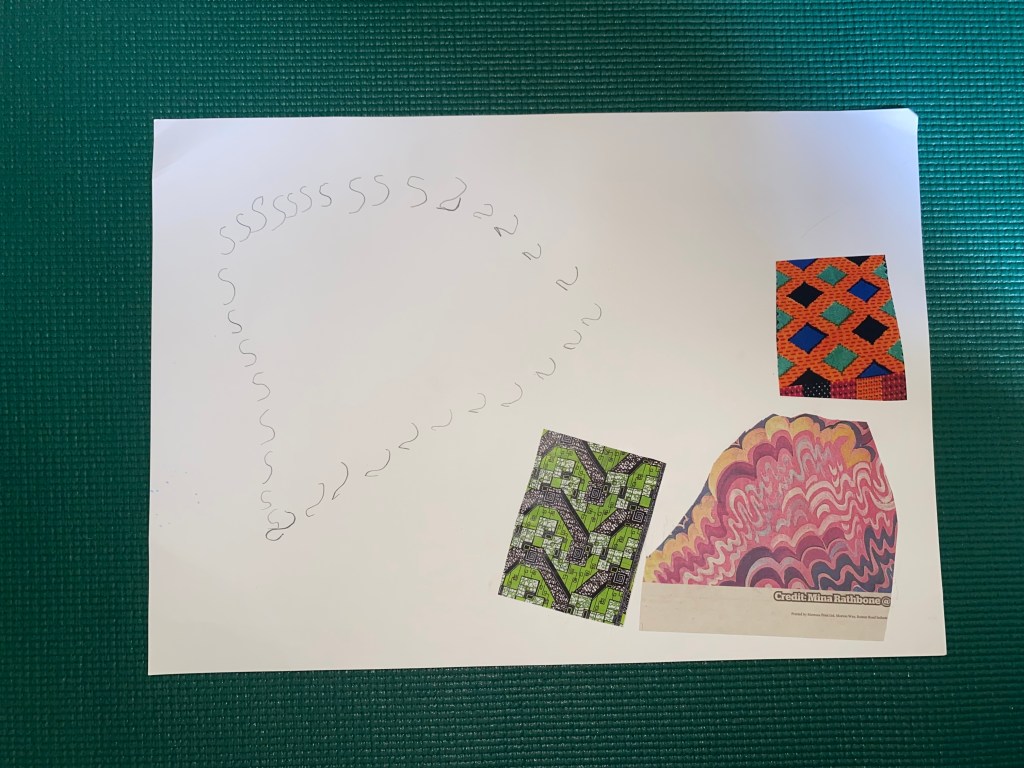
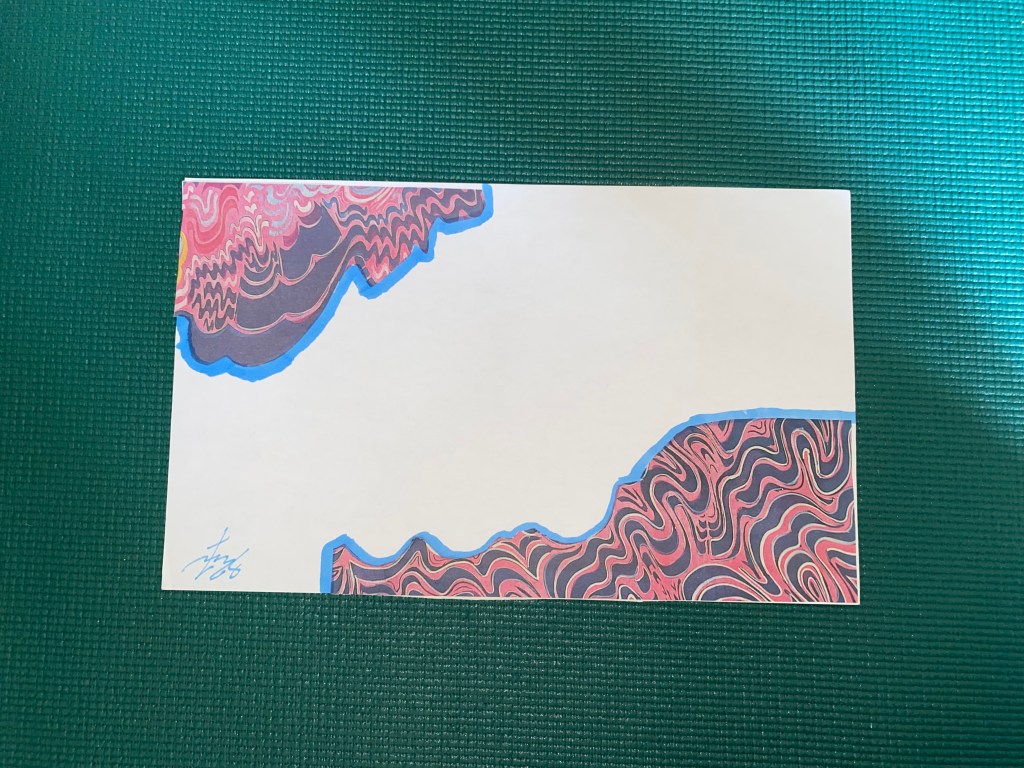
In the final , we created collages combining photographs from previous sessions to describe our work in the last months. We also organised a small public showcase, co-designed with the young participants, where they invited parents and friends to join. The young people selected activities that they wanted to share.
Field Trip – National Science and Media Museum in Bradford
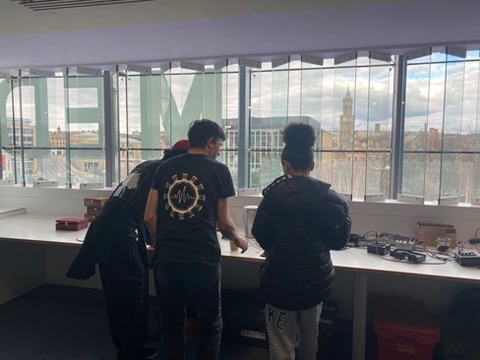
In March 2024, we organised a field trip to the National Science and Media Museum in Bradford. Our colleague Keisha Thompson led a public workshop there. The workshop focused on links between poetic creation and exponentiation. The activity explored this idea through the making of Kennings. This is a poetic device that breaks a word into parts. For example, starting with the single word “refrigerator”, one might decompose it into “cold” and “box.” Then, each of these words can be further expanded in turn.
 Verylocalmaths.org.uk